Towards Theorizing Co-Driving Pleasure

Translating phenomenological insights into experience-oriented design frameworks for automated mobility.
- Role: Research-driven UX Designer (Experience Research, Conceptual Modeling, Design Framing)
- Context: Doctoral research project on automated driving experience
- Approach: Phenomenological research, Trip Experience Sampling, qualitative analysis
- Outcome: Human-Vehicle Relation (HVR) Framework and Co-Driving Pleasure Model
- Generated Design Tool: Thing-sona Card Tool for co-driving experience design
The Research Goal
According to a systematic literature review, most studies still interpret driving pleasure in the context of manual driving when discussing it in relation to AVs.
This PhD research aims to establish a conceptual framework for Co-Driving Pleasure to strategically guide the design of emotionally resonant automation systems and inform future product roadmaps.
Research lens & approach
- Theoretical lens: Technological Mediation and Pleasure Theories in Design Research
- Methods: Trip Experience Sampling and Phenomenological Interviews
- Analytical focus: Lived experience, co-driving patterns, and pleasure formation
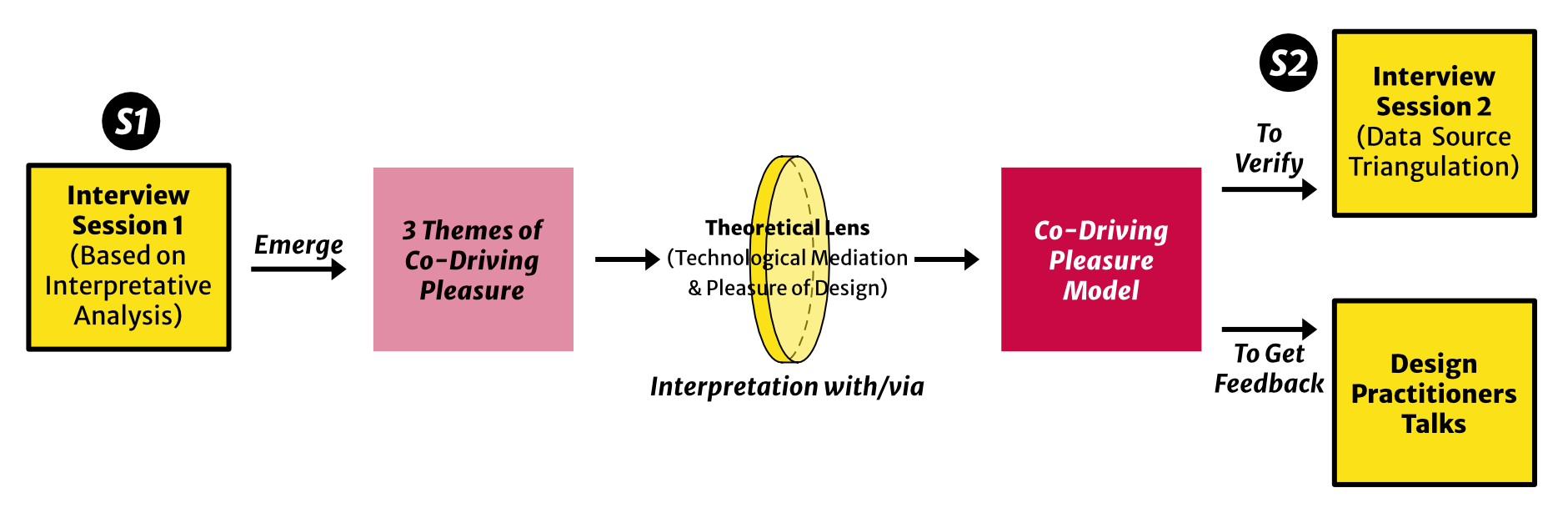
Key insights
Theme #1: Co-Driving in the Real World
Driving automation transforms practice in diverse ways, with varied usage patterns across drivers.
- Trust is the First Threshold of Co-Driving Practice.
- The Cultivation and Conflicts of Human Drivers’ Habits.
- Mutual Knowledge between Human and Driving Automation Matters.
- Ways to Evaluate the Driving Automation’s Performance.
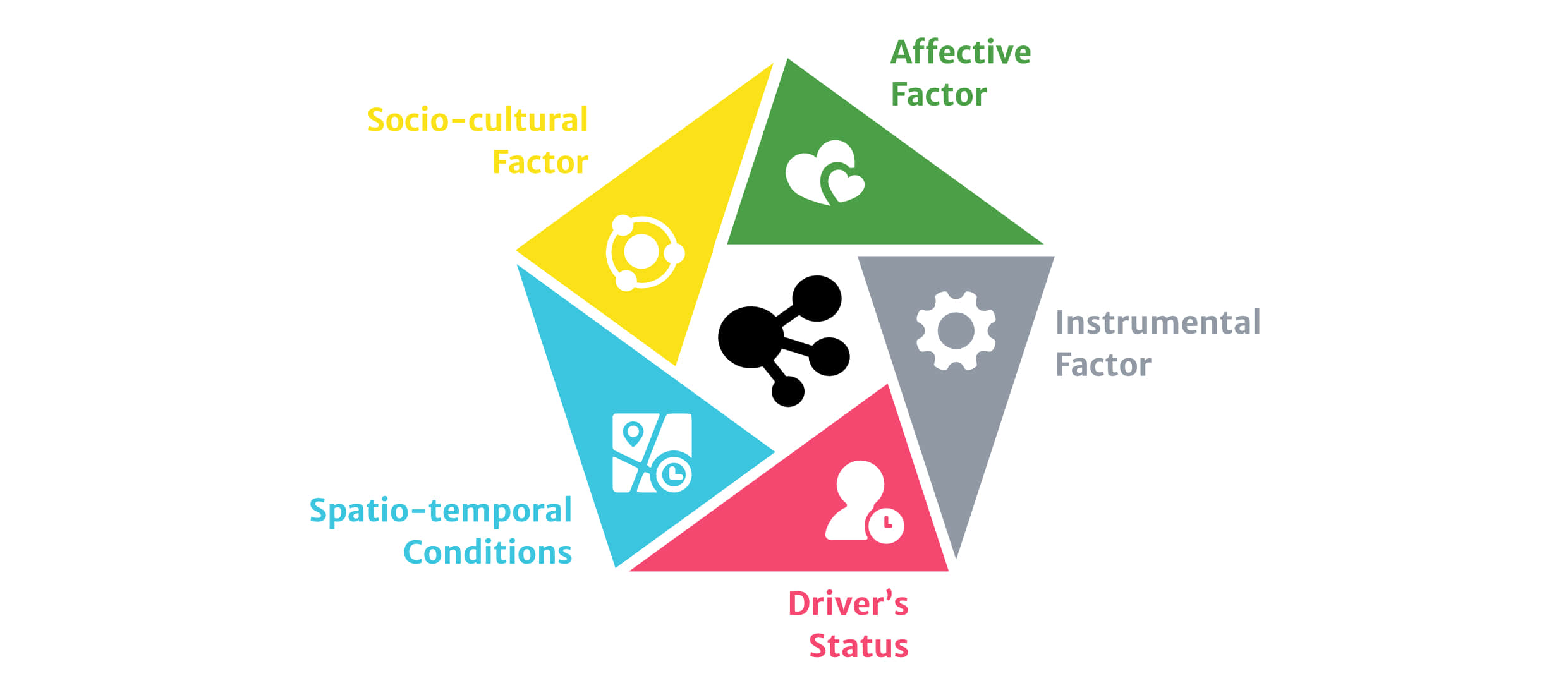
Theme #2: The Five Levers of Co-Driving Pleasure
Five key levers influencing the emergence of Co-Driving Pleasure were abstracted from data analysis:
Theme #3: The Two Forms and Five Sub-Types of Co-Driving Pleasure
Pleasure on the road goes beyond the commercial notion of driving pleasure. From interviews, two main types and five subtypes of co-driving pleasure emerged, shaped by five contextual factors and driving patterns.
Type I: Good Mood as Co-Driving Pleasure
- The Extension of Good Mood
- Anticipation of the Destination
- Joy from Social Interaction
Type II: The Pleasure with the Car as Co-Driving Pleasure
- The Feeling of Relaxing with Reduced Efforts
- The Embodied Movement with the Car
Design frameworks & models
Human–Vehicle Relation (HVR) Framework
HVR is the dynamic, evolving relationship between human drivers and automated vehicles, where the vehicle functions as an active mediating agent.
Human–Vehicle Relation (HVR) framework illustrating dynamic driver–automation relations.
Conceptual Tool: Dynamic HVR Composition Diagram
To depict the HVR and how various car features contribute to the formation of HVR. Such a process is based on 1. Rosenberger’s Organization of Experience and 2. the analogy of touchpoint from Service Design.
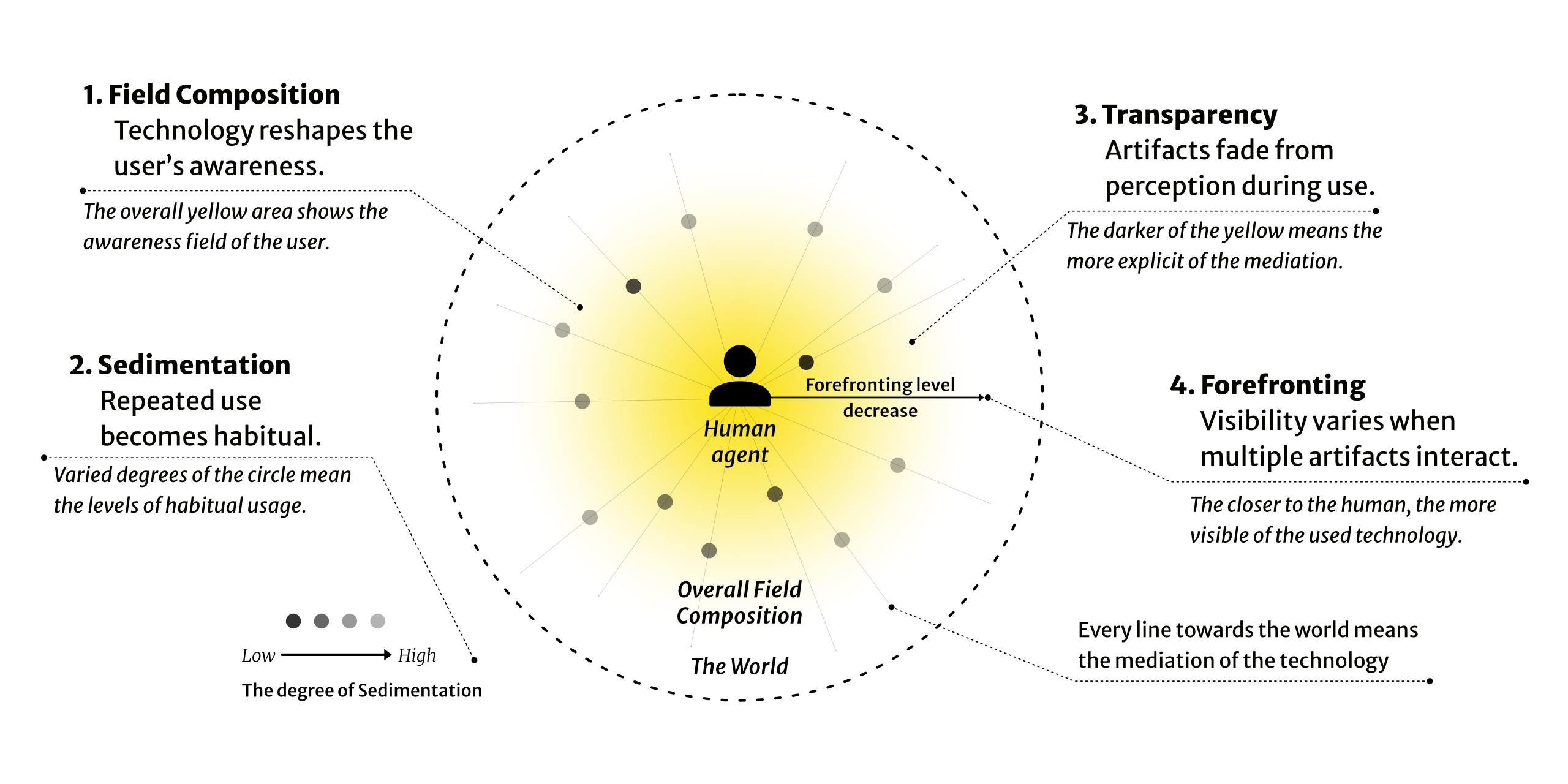
Decompose the HVR into different touchpoints.
The Role of Designers in the Formation of HVR
To depict how designers embed intended HVRs into car products and how these are later rendered during co-driving practices, I proposed the Inscribing and Rendering Model as below:
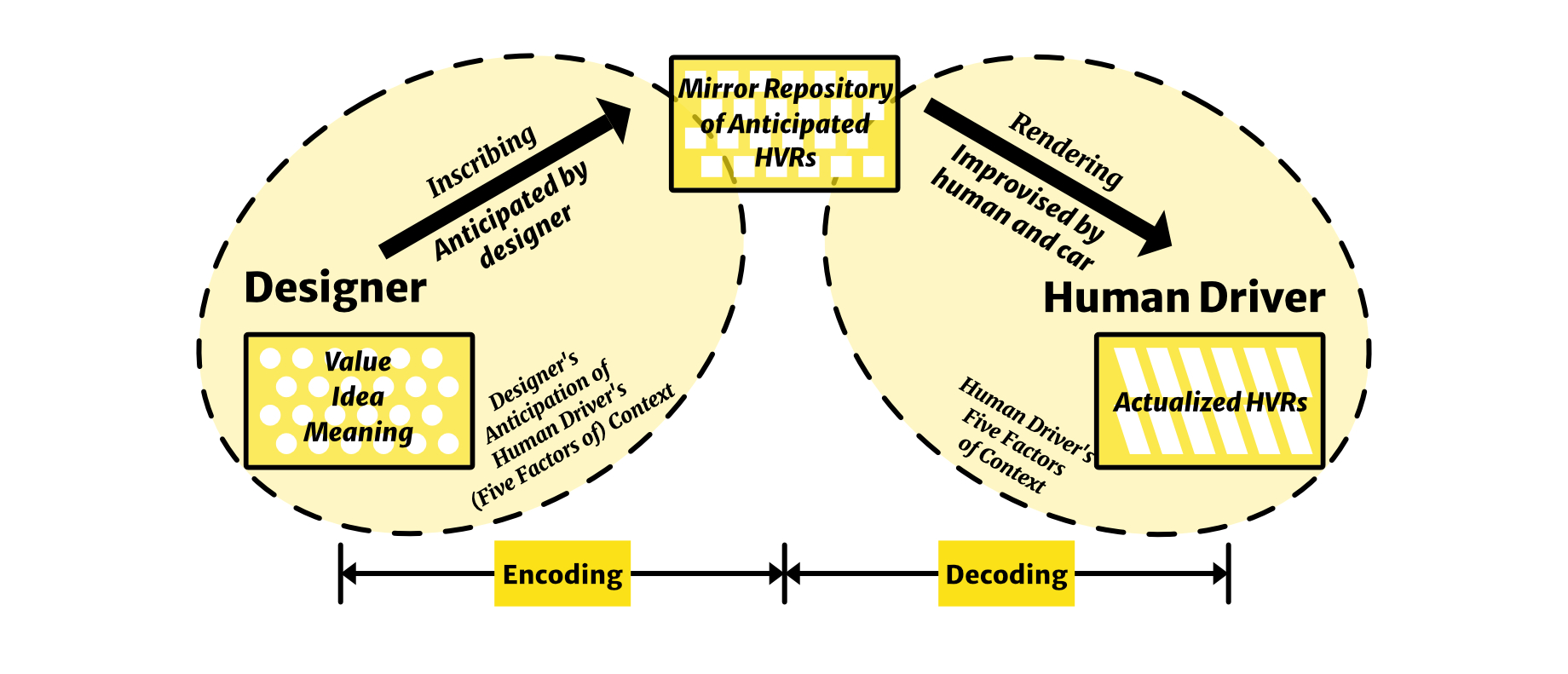
Depicting how designers embed intended HVRs into car products and how these are later rendered during co-driving practices.
Co-Driving Pleasure Model
According to Pleasure Theories in Design, co-driving pleasure can be defined as “The positive emotional experience of a human driver in a situated driving context, which emerges from satisfying the needs during co-driving activities.”
And we can introduce the Co-Driving Pleasure Model:
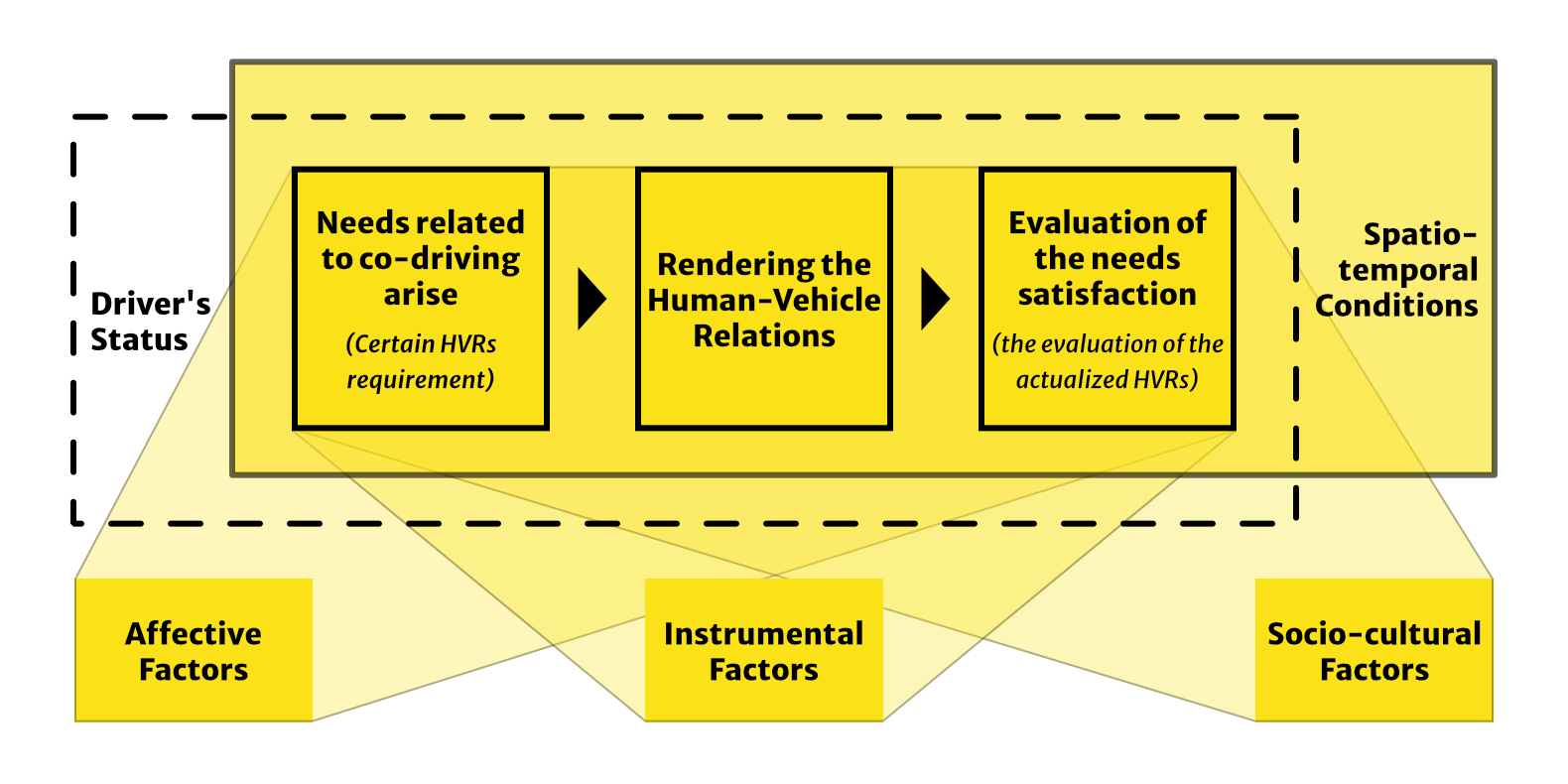
The Co-Driving Pleasure Model connects the fulfillment of human driver needs in a situated driving context with the realization of a specific Human-Vehicle Relation (HVR).
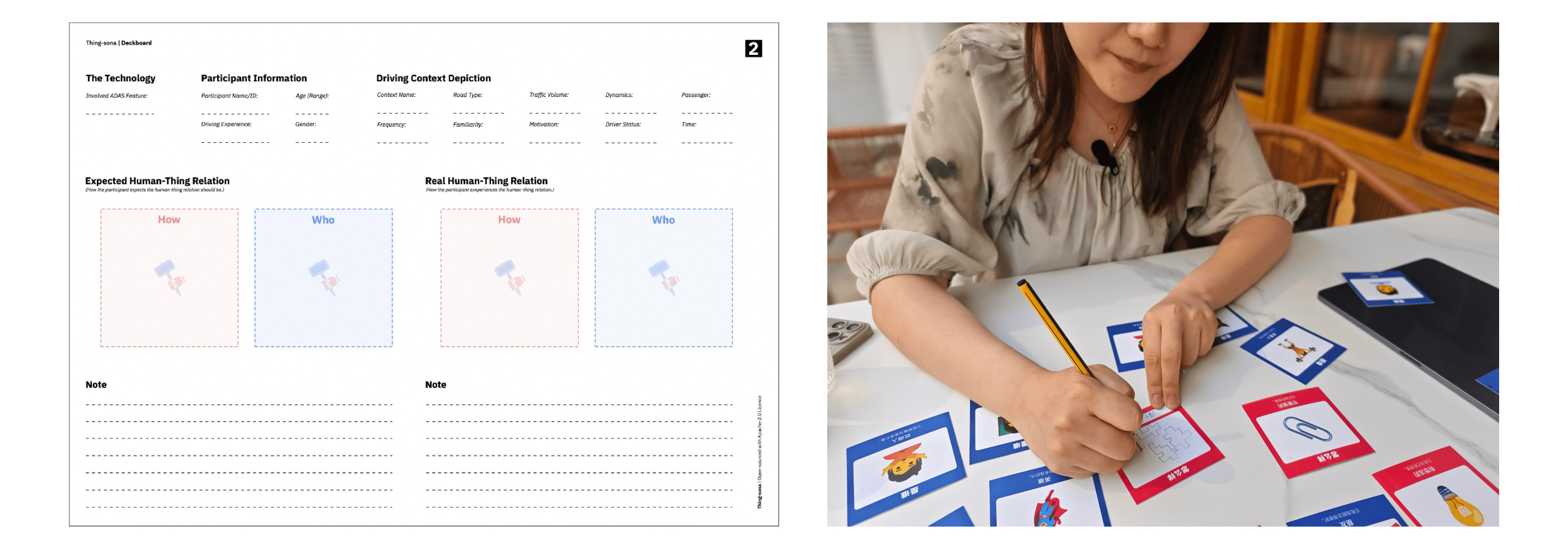
Design Tool: Thing-sona Design Tool
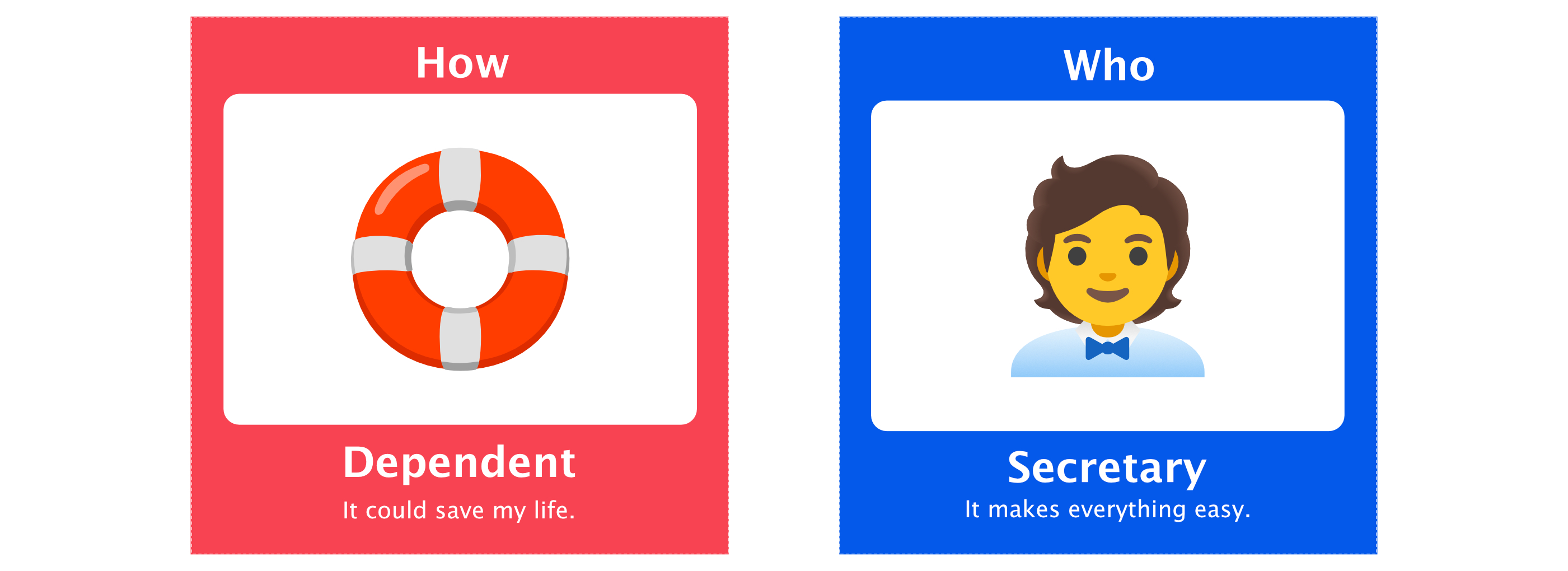
The HVR framework shifts design toward anticipating human–technology relations, and the Thing-sona Card Tool translates these Relation Modes into a practical way for designers and users to articulate subjective experiences.
More information on Thing-sona can be found at: https://github.com/PNGL9527/Thing-sona.
Design Considerations & Industry Impact
Validated the framework with automotive designers, demonstrating its applicability to real-world HMI design.

The Design Considerations for Automotive UX Design
Summarizing the insights from the interviews and the theorization process, three key design considerations were proposed for operationalizing this research to automotive UX design practice.
- To systematically include Five Factors of Co-Driving Experience in design practice
- Linking Co-Driving Habits and Experience
- To adopt Human-Vehicle Relation (HVR) Framework in Design Practice
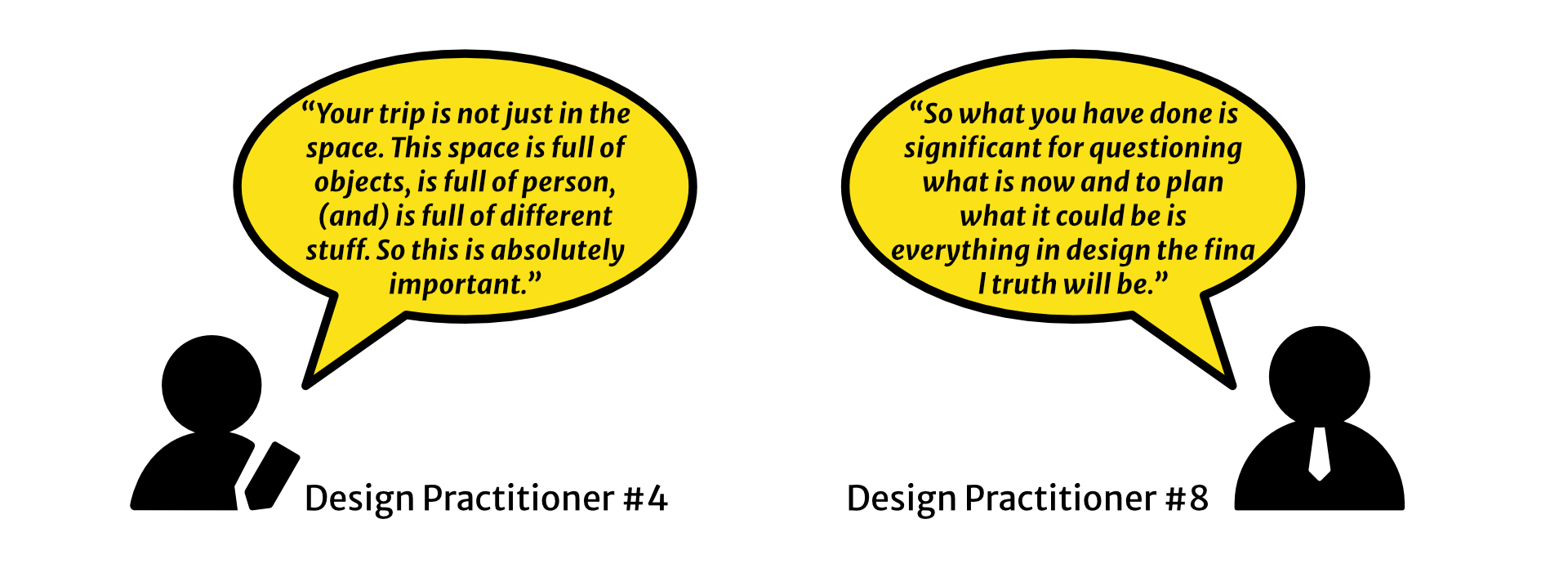
Feedback on Design Considerations
Practitioner feedback confirmed the framework’s strategic value, while also revealing the challenge of translating theoretical concepts into scalable, multidisciplinary design workflows.
3 Key Strategic Gaps From Practitioners’ Insights
Practitioners also identified three strategic gaps constraining the development of automotive UX in the automotive industry.
- Safety-first engineering mandates dominate automotive workflows, leaving human-centric design without systematic tools or status.
- ROI constraints discourage personalization, reducing attention to individual habits and emotional experiences.
- HVR is conceptually valued but difficult to operationalize across teams, resulting in inconsistent application in practice.
Looking Ahead: Strategic Directions for Next-Gen Mobility
- The Co-Driving Pleasure Model reframes emotional experience as a measurable system input, enabling HMI/UX teams to elevate pleasure from a residual outcome to a strategic design goal.
- The framework guides future AI vehicle agents in learning individual driving habits, enabling personalized co-driving experiences at scale.
- As an initial prototype, the Thing-sona Card Tool provides a practical pathway to operationalize HVR across multidisciplinary teams.
This page presents a curated overview of the project. The full case includes detailed research, design iterations, and reflections.
Read full case