MediCall
A one-week social business design proposal connecting rural women in Bangladesh with remote medical consultation and medicine access through community-based kiosks.
- Context: Youth4SDG Asia Leadership Program, 2018
- Format: One-week sustainable business design workshop
- Output: Service concept, proposed delivery model and business model canvas
Bringing care closer to rural communities
MediCall explores how women in rural Bangladesh could access medical consultation without a long journey to a hospital. Developed during a one-week sustainable business design workshop, the proposal connects a social need with an existing community network rather than starting with a new clinic.
The starting point was the local presence of Grameen Bank meeting centres. The concept asks whether these familiar locations could also host a point of access to remote care.
A consultation point within the community
The proposed kiosk brings together video consultation, basic measurement tools and medicine collection. Solar power and mobile data were included to reduce reliance on fixed infrastructure, while a network of doctors would provide consultations remotely.
A social purpose with an operating model
The model connects women seeking care, doctors and local pharmacies. Pharmacies would lease and stock the machines; the MediCall operator would support the hardware and platform, with rental income intended to sustain the service. The proposal also identifies mobile connectivity, manufacturing and software as supporting relationships.
The key idea is to combine local presence with remote expertise. This remains a workshop proposal: the service, medical outcomes and financial viability were not validated through an operational pilot.
Workshop context
Developed within the Youth4SDG Asia Leadership Program 2018. The original materials credit Yunus Centre, Yunus Social Business and The Youthink Center as programme supporters.
Continue exploring

Miss Delivery
Team leadership and design synthesis: connecting the team's perspectives and making the shared service proposal visible. Developed collaboratively by The Odd Fellows.
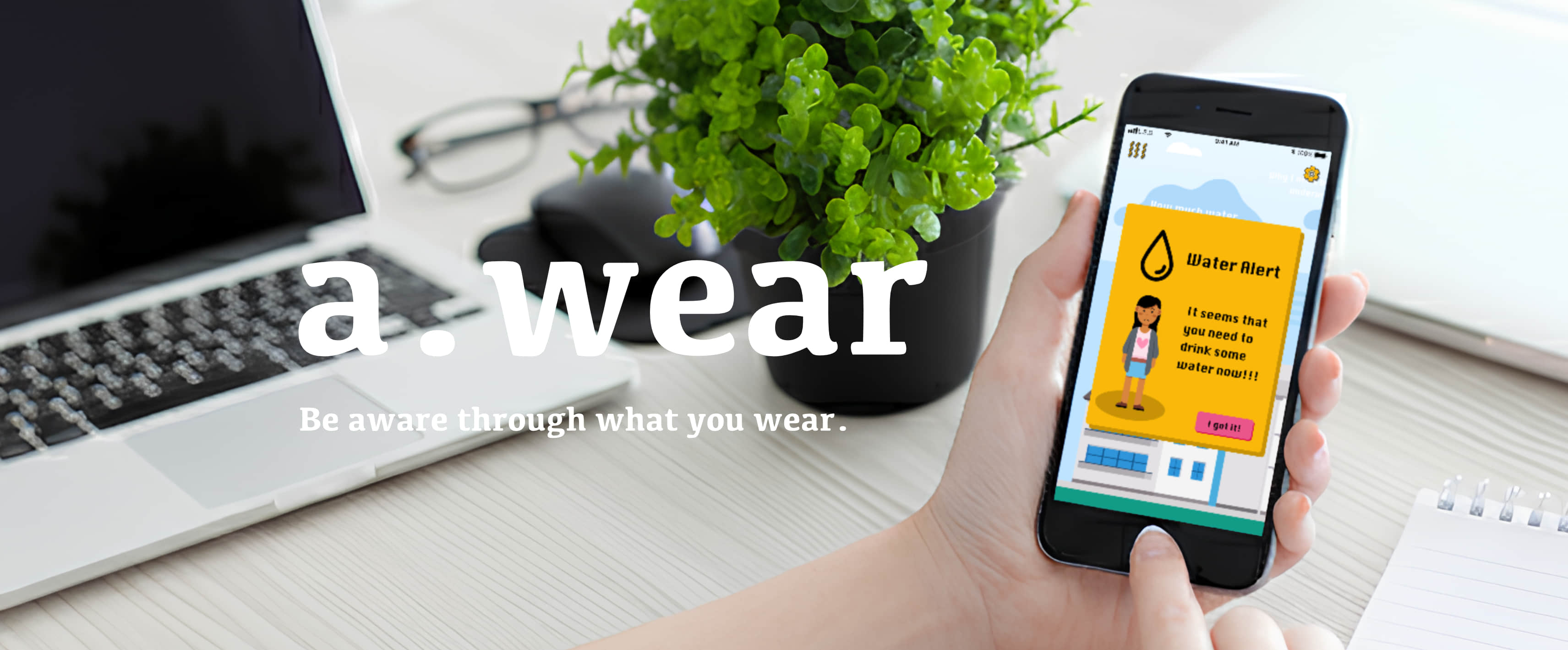
a.wear: Designing for Teenage Self-Acceptance
I designed the mobile app's UX, UI, and interaction prototypes, and contributed to the team's service concept and brand strategy.